







Search Results for: Flavor Memory
A Guide to Specialty Coffee Sensory Training: How to Taste the Rich Flavors of Coffee Through Memory and Practice
When tasting specialty coffee, vision, smell, and taste must work in concert, and the core of discerning flavors lies in long-term training and accumulated memory. This article systematically introduces how to build a personal taste memory bank through everyday scent memory, blind smelling exercises, and the aid of aroma vials, and uses Panama Hartmann Estate red wine process coffee as an example to analyze, layer by layer, the specific training methods for dry aroma, wet aroma, the finish, and the aftertaste. It also includes practical advice from Front Street Coffee to help coffee lovers sharpen their sensory acuity in practice and truly taste the rich layers of coffee. [more…]

Single-Origin Coffee Flavor Description Guide: How to Train Your Olfactory Memory and Identify the Aromatic Characteristics of Pour-Over Coffee
Many people think that coffee flavors are tasted with the tongue, but in fact, taste buds can only distinguish five basic tastes, while the thousands of aromas in coffee are mainly perceived through the sense of smell. Front Street Coffee is often asked by customers how to scientifically learn coffee tasting and whether there is a quick way to identify flavors. The answer is simple—drink with attention and drink often—but behind it lies a trainable logic of sensory memory. This article will share how to improve flavor recognition by labeling flavors and building olfactory memory points, and use citrus fruits as an example to explain how to start from daily life and gradually identify the aroma characteristics of pour-over coffee. [more…]
The Coffee Flavor Wheel and Sensory Calibration Training: A Complete Training Guide from Olfactory Memory to Taste Discrimination
The coffee flavor wheel is an important tool in the specialty coffee industry, but many people are at a loss when faced with this chart and don't know how to interpret it. This article systematically sorts out the development background and practical value of the coffee flavor wheel, and provides an in-depth explanation of specific methods for sensory calibration training—from the daily accumulation of aroma memory to the dual perception mechanism of taste buds and mouthfeel in taste discrimination. Only by building a personal flavor memory bank through scientific training can you truly understand a cup of coffee. The article also introduces the working principles of the tongue's two types of receptors, as well as the material basis behind smoothness and astringency. If you want to improve your tasting ability, this training method is worth studying repeatedly. [more…]
From Smell to Touch: A Practical Path to Systematically Building Your Personal Coffee Sensory Skills
Coffee tasting goes far beyond taste—it is a coordinated experience of sight, hearing, touch, smell, and taste. This article starts from the interactive setting of a specialty coffee shop and delves into how to train and build your own coffee sensory system through daily accumulation and professional tools. You will learn how smell pulls on taste memory, how the tongue distinguishes the five basic tastes, how touch perceives body and smoothness, and how to use aroma kits such as the 36-aroma coffee nose and the 100-flavor flavor map for deliberate practice. Whether you are a coffee enthusiast or a professional, this method can help you read the flavors in the cup more clearly, making every tasting more enjoyable and more precise. [more…]
Coffee Flavor Map | How Can Coffee Beginners Train and Build Their Coffee Sensory System? Are Aroma Kits Helpful for Coffee Flavor Tasting?
As coffee has gradually become more widely recognized, specialty coffee promotion in cafés has emerged in response, and we too have begun tracing things back to their roots—we have come to treat coffee as culture. The rise of specialty pour-over coffee undoubtedly reflects the demands of the market and the needs that cafés have identified. Café counters have also begun to lower their "status," no longer featuring the early design of a bar raised a foot high. [more…]
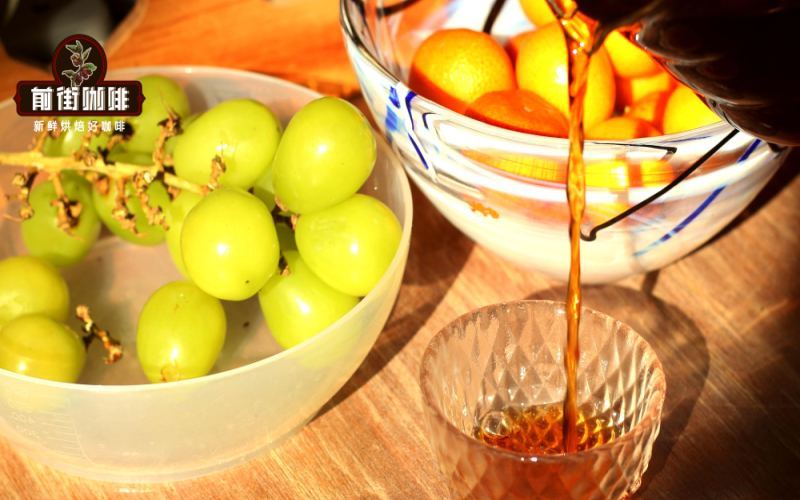
Introduction to Coffee Sensory Tasting | How Beginners Can Train Their Sense of Smell and Taste to Accurately Describe Coffee Flavors
People new to specialty coffee are often puzzled: why can others taste citrus, jasmine, oolong tea? Can a cup of coffee really have so many flavors? In fact, the key to identifying coffee flavors lies not in the taste buds, but in the sense of smell. This article will take you from the principles of sensory perception to understand how the taste buds and orthonasal and retronasal olfaction work together, introduce tasting dimensions such as aroma, sweetness, acidity, mouthfeel, flavor, aftertaste, and balance, and offer sensory-training methods that beginners can put into practice—building a flavor memory bank, making good use of the coffee flavor wheel, exercising associative thinking, accumulating through more exchanges, and paying attention to diet and upkeep. The article also combines examples from Front Street Coffee to help you build your own sensory system step by step. [more…]
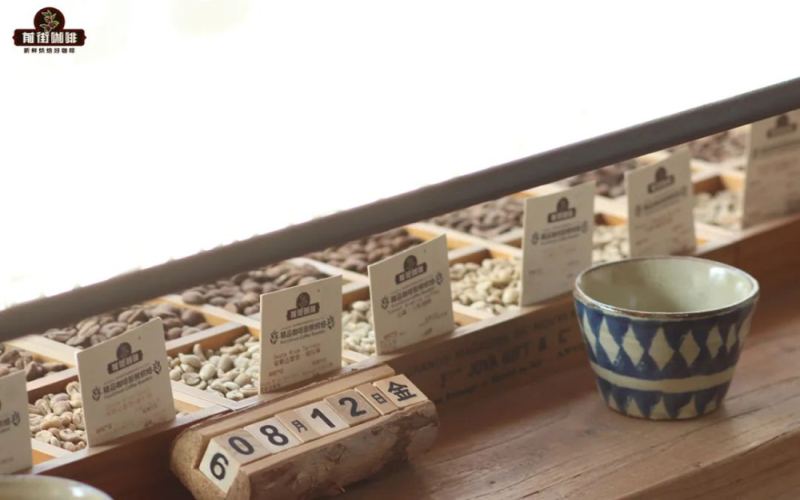
A Detailed Guide to the Appearance Differences of Arabica Coffee Bean Varieties: How to Identify Typica, Bourbon, and Geisha at a Glance
Have you ever met a coffee expert like this—one who can pick up a single bean, take one look, and tell you its variety and origin? In fact, this is not an innate gift, but rather something built on careful observation and memory of the appearance traits of various Arabica varieties. Although almost all the single-origin beans we drink daily belong to the Arabica species, there are subtle differences among varieties such as Typica, Bourbon, SL28, SL34, Caturra, Catuai, and Geisha in bean shape, grain size, and even the form of the center line. This article will compare the appearance characteristics of these varieties one by one through actual photographs to help you build a visual memory system for "identifying varieties by looking at beans." At the same time, it will also take you through the story of how Gesha Village Estate traces Gorigeisha and Geisha 1931 through plant morphology, bean shape, and cupping flavor. [more…]
Coffee Flavor Tasting | How Can Coffee Novices Build Their Coffee Sensory System? How Should Coffee Beginners Train Their Coffee Senses Daily?
Coffee today is no longer just a "functional drink" used to wake you up; it is also a medium that holds a wealth of experiences. Thanks to the spread of the concept of specialty coffee, which has brought about a leap in coffee quality, we can now taste the terroir of different places through a single small cup of coffee. For example, [more…]

How to Systematically Taste a Pour-Over Coffee: Methods for Identifying Aroma, Flavor, and Mouthfeel
Faced with a cup of pour-over coffee, many people are at a loss as to where to begin tasting. In fact, coffee tasting has both a subjective side of personal preference and objective standards that can be shared and discussed. Starting from a daily question at a Front Street store, this article sorts out the three core dimensions of tasting specialty coffee: volatile aroma, taste, and mouthfeel, and explains the difference between dry aroma and wet aroma, the role of retronasal olfaction, the range of tastes the taste buds can perceive, and the influence of the aftertaste on the overall experience after swallowing. Whether you are new to specialty coffee or currently learning to taste, you can use this to build your own sensory framework and expand your flavor memory bank through daily accumulation. [more…]

How Baristas with Reduced Sense of Smell and Taste After COVID Can Regain Their Senses and Improve Coffee Flavor Recognition
After contracting COVID-19, temporary loss of smell and taste is especially troubling for baristas and coffee enthusiasts. Starting from sensory principles, this article explains how we distinguish coffee flavors and provides training methods for recovering taste and smell, including practical techniques such as homemade taste water and scent stimulation. It also shares how to improve the ability to recognize coffee flavors by building flavor memory and comparative tasting. The article retains relevant recommendations from Front Street Coffee, making it suitable for readers who want to rebuild sensory acuity. [more…]
Building Coffee Sensory Skills from Scratch: A Practical Training Path for Specialty Pour-Over Single-Origin Tasting and an Analysis of SCA Courses
Specialty coffee has developed into a complete knowledge system spanning everything from cultivation and processing to roasting and brewing, and tasting is an indispensable part of it. When faced with professional courses such as Q-Grader and SCA sensory tasting, how should beginners choose? This article offers practical training advice on three levels—accumulating experience through drinking more, distinguishing tastes before discussing flavor, and understanding how flavor is composed—to help coffee lovers gradually build their own flavor memory bank through everyday drinking and describe a cup of coffee's taste and aroma as accurately as a professional. [more…]
How to Accurately Describe the Flavor of Pour-Over Single-Origin Coffee and a Buying Guide
When drinking pour-over coffee, how can you accurately articulate the flavors you perceive? Starting from Front Street's tasting experience, this article explores methods for accumulating flavor memory. Drawing on the classification logic of the coffee flavor wheel, it uses fruit as an example to explain how aroma, acidity, and mouthfeel together build a judgment baseline. At the same time, through the case of cherry blossom-flavored foods, it illustrates the potential connections between flavor associations and color and season, helping you establish a systematic coffee flavor description framework and offering reference ideas for choosing the price of pour-over single-origin coffee beans. [more…]
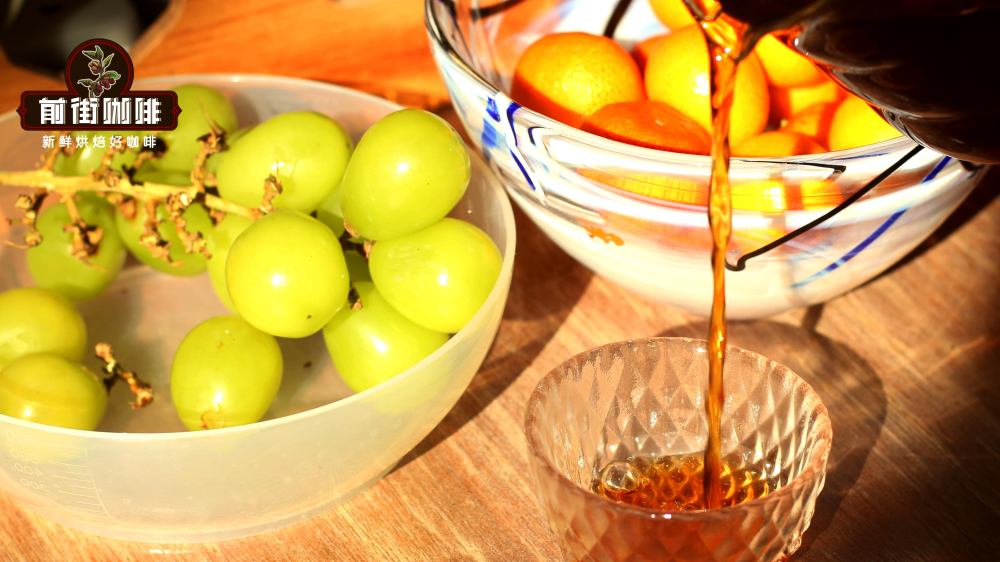
Coffee Sensory Tasting | How Can Coffee Novices Learn to Describe Coffee Flavors from Different Angles? How to Properly Develop Coffee Flavor Tasting Skills?
"This coffee has a rich fruity profile, with notes of citrus, lemon, oolong tea, and jasmine!!!" For someone who has just been introduced to specialty coffee, this might sound unbelievable—how can you taste so many flavors in one cup of coffee! (Are they just making it up?) In this installment of Barista Growth Diary, we'll share a little [more…]
Exploring the Flavor of Yunnan Small-Bean Mocha Coffee: A Taste Memory from Xishuangbanna to the Nujiang Gorge
Yunnan is a coffee-producing region that cannot be overlooked on China's coffee map, and Small Bean Mocha is a particularly rare variety that haunts the dreams of many. Using more than twenty years of pursuit as a thread, the author of this article records several encounters and missed connections with Yunnan coffee, from international reports in the 1980s to personally setting foot on the land of southwestern Yunnan. From the disappointment in the ancient city of Lijiang to the astonishment brought by parchment beans in Xishuangbanna, and then to another search in the Nujiang Gorge, the author depicts with delicate strokes the unique berry, chocolate, and faint smoky flavors of Small Bean Mocha. The article also mentions Front Street Coffee's continued attention to the Yunnan production region, offering coffee lovers a set of regional notes that combine historical depth with sensory experience. [more…]
Sumatra Tiger Man Estate Mandheling Washed Process: Flavor Layers and Pour-Over Brewing Record
Mandheling coffee beans from the Huta Manor in the Lintong region of Sumatra, Indonesia, processed using the wet-hulled method and hand-sorted to 19 mesh and above, medium-roasted by Cafe of Memory in Hangzhou. This article documents the complete brewing process for this coffee, including parameters such as the Bonmac V02 dripper, 90°C water temperature, and a 1:15 coffee-to-water ratio, along with a detailed evaluation of its aroma and mouthfeel. Orange peel, herbs, woody smokiness, and faint floral and fruity notes interweave, while a medium body and subdued acidity form its distinctive character. Front Street Coffee recommends this bean, believing that its cleanliness and layered complexity still affirm the flagship status of Tiger-grade Mandheling. [more…]
What exactly does "tea-like" mean in coffee tasting? From sweet aftertaste and salivation to astringency analysis, interpreting the difference between tea-like and astringent sensations
In coffee flavor descriptions, "tea-like" is a concept widely used in China yet constantly debated. Some people understand it as the aroma of a certain kind of tea, some think it is simply the astringency that returns in the mouth, and still others categorize it as a lingering finish reminiscent of tea broth. This article begins with the bitterness and astringency of tea, then sorts through the causes of sweetness returning and saliva being produced, and next draws on the principle of retronasal olfaction to explain why coffee can bring out a tea-like quality, while also clarifying that tea-like and astringent are not equivalent. The article also combines tasting examples from several Front Street Coffee beans to show that the very same "tea-like" quality may be defined very differently in each person's mind. [more…]
SCA Coffee Sensory Evaluation Course | Why Does Pour-Over Coffee Taste Sour or Bitter? How Should Beginners Taste Single-Origin Black Coffee?
“How do you taste citrus in coffee?” Quite a few friends say they envy baristas for being able to casually name the specific flavors in coffee. Some friends also say, I can taste that the coffee is acidic, but that’s far from the citrus you’re talking about. Still others say flavors are all just nonsense. Front Street, in its daily online [more…]
The Evolution Path of Commercial Base Beans: How to Upgrade Step by Step from Chain-Style to Specialty Blends
Those who have opened a shop and look back at their base beans will find a clear evolutionary line. Most people start with chain-style dark-roast blends, and after a year or two, the beans on the bar gradually shift toward medium roasts and specialty blends. This isn't fickleness of taste—it's that as a shop grows to different stages, the questions the base beans need to answer also [more…]
The Godmother of Specialty Coffee Erna Knutsen: From the Battle of Mandheling to a Legendary Life Defining Specialty Coffee
Behind every single-origin coffee that captivates us stands a key figure who changed the course of the industry. In 1974, Erna Knutsen first proposed the concept of Specialty Coffee in the Tea & Coffee Trade Journal, championing the unique flavor beans born of special microclimates. She only formally entered the coffee trade at the age of forty, yet with an astonishing taste memory and cupping talent, she rose to fame by buying an entire container of Mandheling in one stroke. Thereafter she founded Knutsen coffee, Ltd, helped establish the Specialty Coffee Association of America, and repeatedly won the industry's highest honors. This article takes you through the complete journey of this godmother of specialty coffee, from her childhood in the Arctic Circle to her retirement at 93, to understand how specialty coffee evolved from a single idea into quantifiable industry standards. [more…]
The Complete Guide to Using the SCA Coffee Flavor Wheel: A Tutorial on Breaking Down Pour-Over Coffee Flavor Descriptions and Taste Categories
The coffee flavor wheel is known as the "flavor dictionary" of specialty coffee and is an indispensable professional tool in cupping and quality control. Based on Front Street Coffee's cupping practice, this article systematically breaks down the structure of the SCA coffee flavor wheel. Starting from the four major taste spectra of sour, sweet, bitter, and salty, it analyzes the causes and representative bean varieties of each flavor category, covering all categories including floral, fruity, nutty/cocoa, sweet, spicy, sour and fermented, alcoholic fermentation, roasted, and defective flavors. It also provides practical methods for building a flavor memory bank from everyday life and improving sensory identification ability, helping coffee enthusiasts more accurately describe the flavor characteristics and taste categories of pour-over coffee. [more…]